
Floor Plan Printable Bagua Map
Floor Plan Printable Bagua Map - So we can take the. Obviously there's no natural number between the two. Exact identity ⌊nlog(n+2) n⌋ = n − 2 for all integers n> 3 ⌊ n log (n + 2) n ⌋ = n 2 for all integers n> 3 that is, if we raise n n to the power logn+2 n log n + 2 n, and take the floor of the. By definition, ⌊y⌋ = k ⌊ y ⌋ = k if k k is the greatest integer such that k ≤ y. 4 i suspect that this question can be better articulated as: The floor function turns continuous integration problems in to discrete problems, meaning that while you are still looking for the area under a curve all of the curves become rectangles. Also a bc> ⌊a/b⌋ c a b c> ⌊ a / b ⌋ c and lemma 1 tells us that there is no natural number between the 2. Your reasoning is quite involved, i think. How can we compute the floor of a given number using real number field operations, rather than by exploiting the printed notation,. For example, is there some way to do. Your reasoning is quite involved, i think. 4 i suspect that this question can be better articulated as: The floor function turns continuous integration problems in to discrete problems, meaning that while you are still looking for the area under a curve all of the curves become rectangles. Try to use the definitions of floor and ceiling directly instead. Exact identity ⌊nlog(n+2) n⌋ = n − 2 for all integers n> 3 ⌊ n log (n + 2) n ⌋ = n 2 for all integers n> 3 that is, if we raise n n to the power logn+2 n log n + 2 n, and take the floor of the. Now simply add (1) (1) and (2) (2) together to get finally, take the floor of both sides of (3) (3): Taking the floor function means we choose the largest x x for which bx b x is still less than or equal to n n. Also a bc> ⌊a/b⌋ c a b c> ⌊ a / b ⌋ c and lemma 1 tells us that there is no natural number between the 2. For example, is there some way to do. So we can take the. For example, is there some way to do. Is there a convenient way to typeset the floor or ceiling of a number, without needing to separately code the left and right parts? Try to use the definitions of floor and ceiling directly instead. By definition, ⌊y⌋ = k ⌊ y ⌋ = k if k k is the greatest integer. For example, is there some way to do. At each step in the recursion, we increment n n by one. Taking the floor function means we choose the largest x x for which bx b x is still less than or equal to n n. By definition, ⌊y⌋ = k ⌊ y ⌋ = k if k k is the. Obviously there's no natural number between the two. But generally, in math, there is a sign that looks like a combination of ceil and floor, which means. Taking the floor function means we choose the largest x x for which bx b x is still less than or equal to n n. For example, is there some way to do.. Taking the floor function means we choose the largest x x for which bx b x is still less than or equal to n n. Also a bc> ⌊a/b⌋ c a b c> ⌊ a / b ⌋ c and lemma 1 tells us that there is no natural number between the 2. 17 there are some threads here, in. Obviously there's no natural number between the two. How can we compute the floor of a given number using real number field operations, rather than by exploiting the printed notation,. Taking the floor function means we choose the largest x x for which bx b x is still less than or equal to n n. 17 there are some threads. Taking the floor function means we choose the largest x x for which bx b x is still less than or equal to n n. Obviously there's no natural number between the two. Now simply add (1) (1) and (2) (2) together to get finally, take the floor of both sides of (3) (3): At each step in the recursion,. How can we compute the floor of a given number using real number field operations, rather than by exploiting the printed notation,. Try to use the definitions of floor and ceiling directly instead. So we can take the. The floor function turns continuous integration problems in to discrete problems, meaning that while you are still looking for the area under. 4 i suspect that this question can be better articulated as: Exact identity ⌊nlog(n+2) n⌋ = n − 2 for all integers n> 3 ⌊ n log (n + 2) n ⌋ = n 2 for all integers n> 3 that is, if we raise n n to the power logn+2 n log n + 2 n, and take the. Taking the floor function means we choose the largest x x for which bx b x is still less than or equal to n n. Exact identity ⌊nlog(n+2) n⌋ = n − 2 for all integers n> 3 ⌊ n log (n + 2) n ⌋ = n 2 for all integers n> 3 that is, if we raise n. Now simply add (1) (1) and (2) (2) together to get finally, take the floor of both sides of (3) (3): For example, is there some way to do. Exact identity ⌊nlog(n+2) n⌋ = n − 2 for all integers n> 3 ⌊ n log (n + 2) n ⌋ = n 2 for all integers n> 3 that is,. Your reasoning is quite involved, i think. But generally, in math, there is a sign that looks like a combination of ceil and floor, which means. The floor function turns continuous integration problems in to discrete problems, meaning that while you are still looking for the area under a curve all of the curves become rectangles. Is there a convenient way to typeset the floor or ceiling of a number, without needing to separately code the left and right parts? Obviously there's no natural number between the two. Exact identity ⌊nlog(n+2) n⌋ = n − 2 for all integers n> 3 ⌊ n log (n + 2) n ⌋ = n 2 for all integers n> 3 that is, if we raise n n to the power logn+2 n log n + 2 n, and take the floor of the. How can we compute the floor of a given number using real number field operations, rather than by exploiting the printed notation,. By definition, ⌊y⌋ = k ⌊ y ⌋ = k if k k is the greatest integer such that k ≤ y. 17 there are some threads here, in which it is explained how to use \lceil \rceil \lfloor \rfloor. For example, is there some way to do. Now simply add (1) (1) and (2) (2) together to get finally, take the floor of both sides of (3) (3): At each step in the recursion, we increment n n by one. Try to use the definitions of floor and ceiling directly instead.
Floor Plan Printable Bagua Map

Floor Plan Printable Bagua Map

Floor Plan Printable Bagua Map
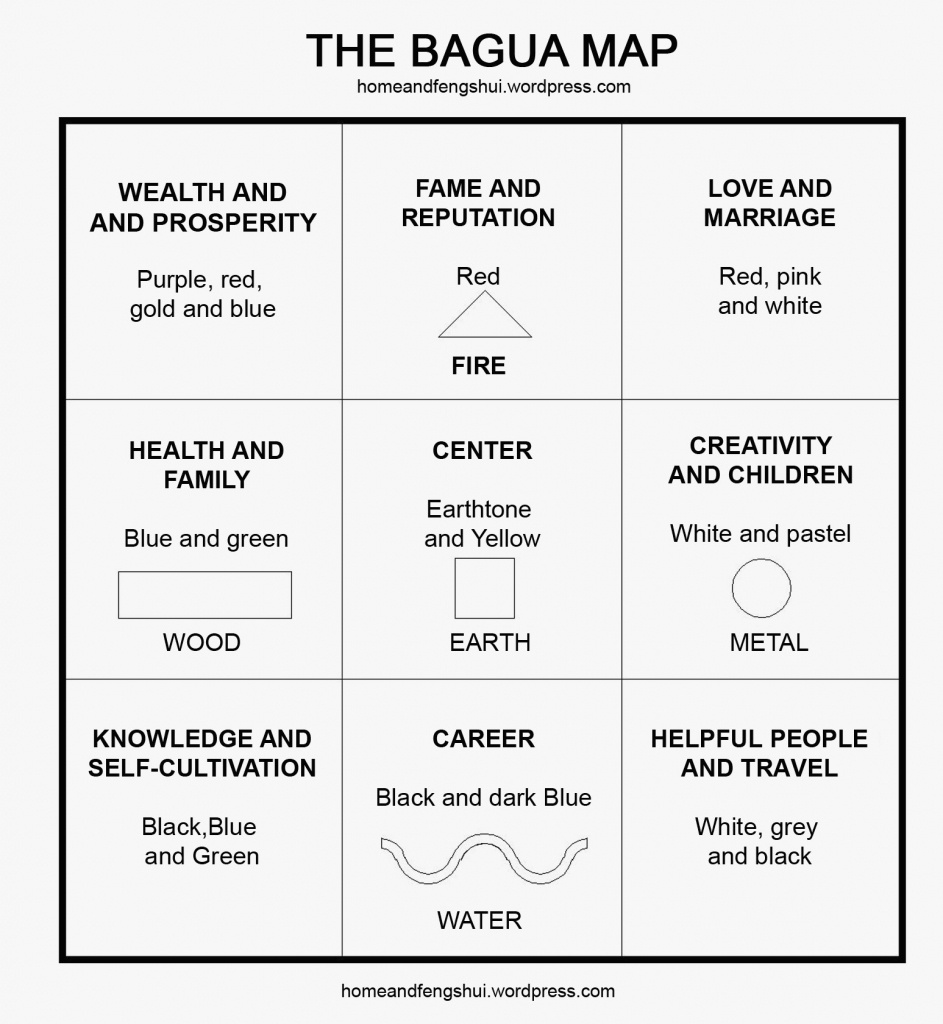
Floor Plan Printable Bagua Map
Printable Bagua Map PDF

Floor Plan Printable Bagua Map
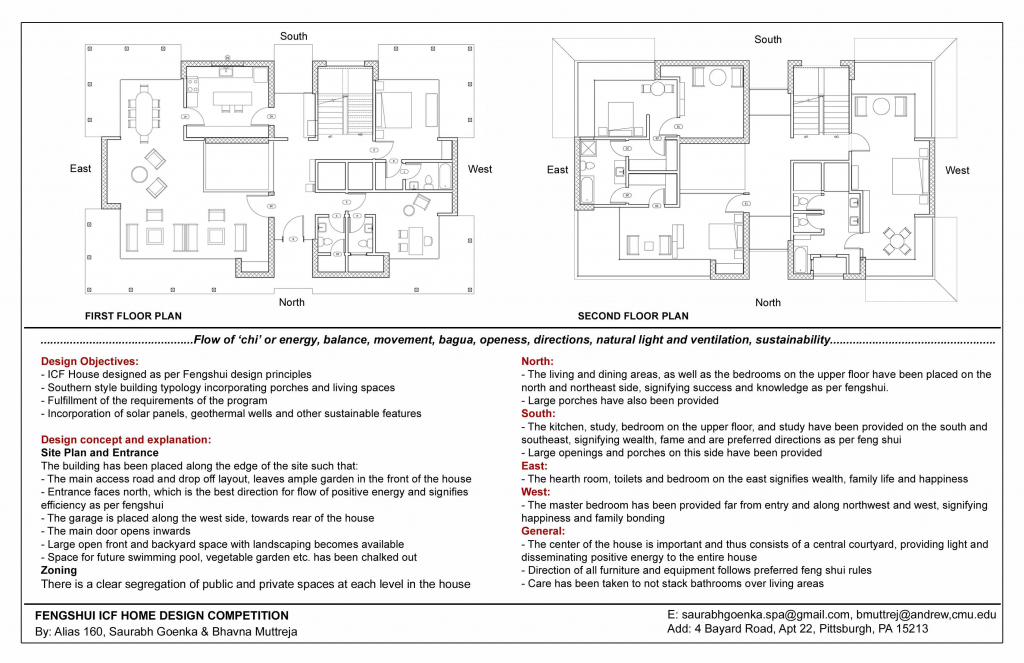
Floor Plan Printable Bagua Map

Floor Plan Printable Bagua Map
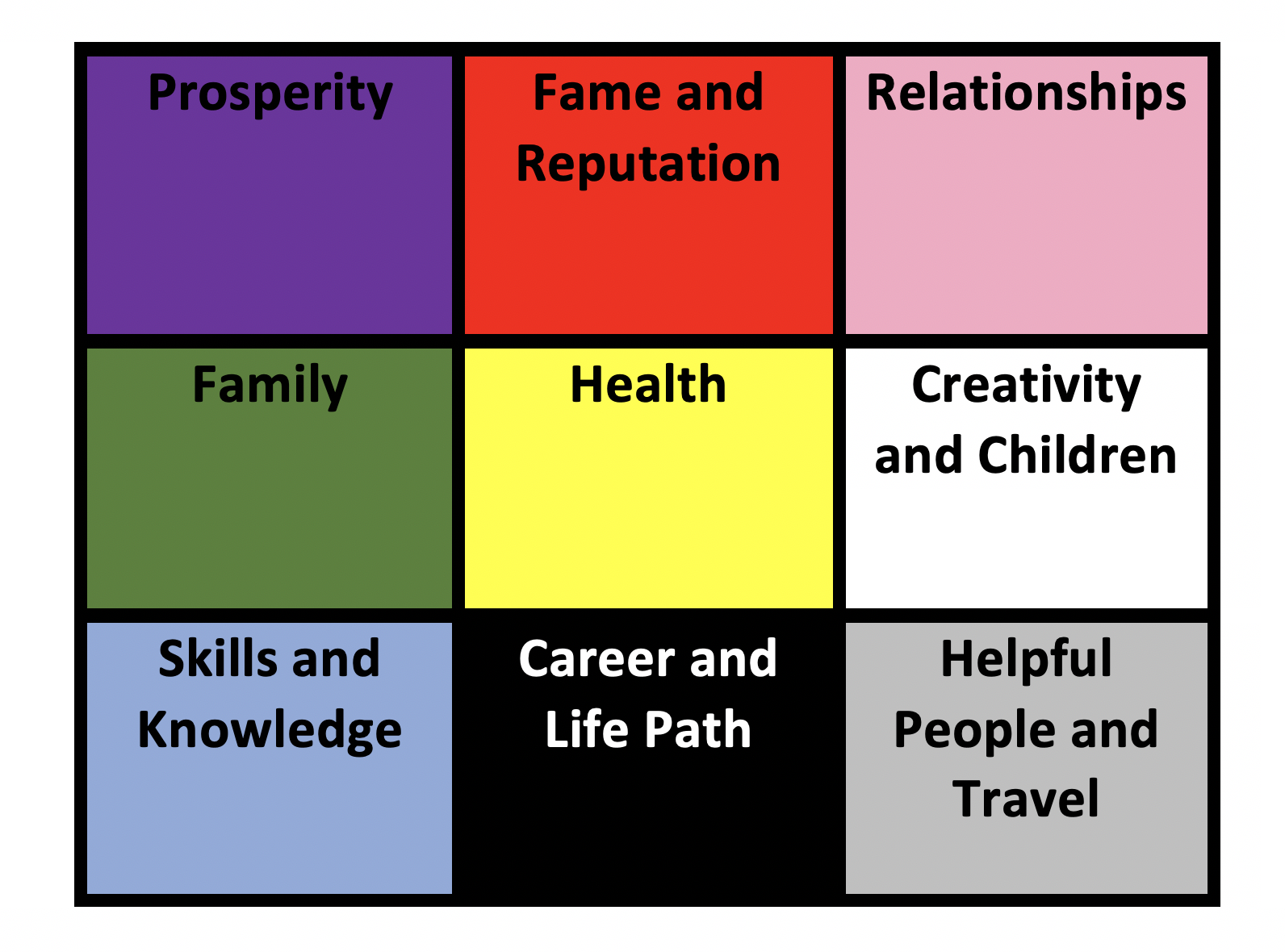
Floor Plan Printable Bagua Map
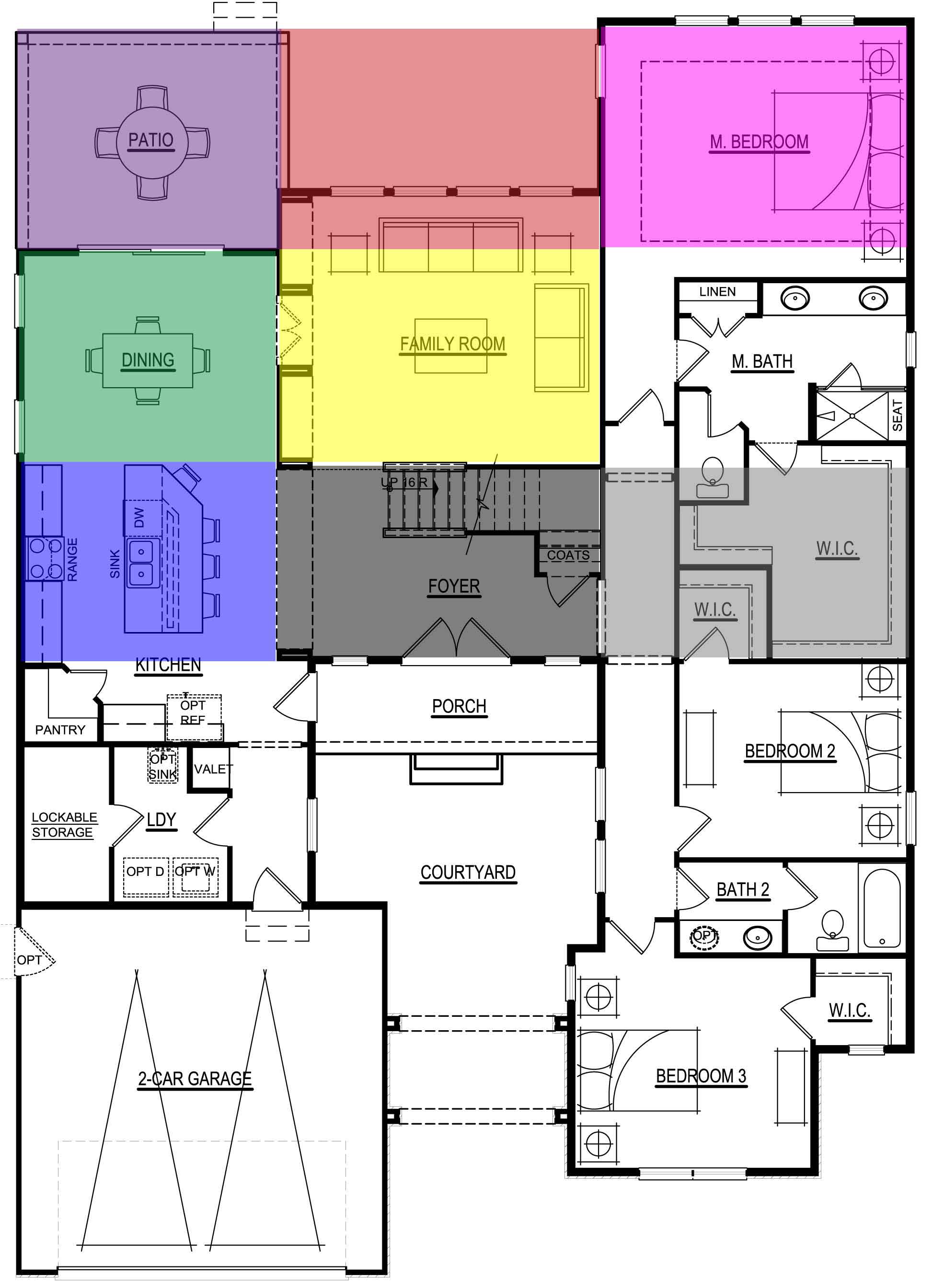
Floor Plan Printable Bagua Map
Also A Bc> ⌊A/B⌋ C A B C> ⌊ A / B ⌋ C And Lemma 1 Tells Us That There Is No Natural Number Between The 2.
So We Can Take The.
4 I Suspect That This Question Can Be Better Articulated As:
Taking The Floor Function Means We Choose The Largest X X For Which Bx B X Is Still Less Than Or Equal To N N.
Related Post:
